
PUBG PC in Vietnam: The License, Not Skill, Decides Who Gets to Compete
**Core answer:** PUBG PC đối mặt nguy cơ bị chặn toàn diện tại Việt Nam vì vận hành xuyên biên giới qua Steam và Epic Games Store mà không có giấy phép phát hành nội địa. Hệ quả kéo theo: PVS 2026 Phase 2 bị hoãn vô thời hạn, kênh truyền thông KRAFTON tại Việt Nam bị gỡ, và việc chặn ở tầng nhà mạng đang diễn ra. **Key facts:** - PUBG: BATTLEGROUNDS trên PC chưa từng được cấp phép phát hành chính thức tại Việt Nam; người chơi truy cập qua Steam và Epic Games Store. - PVS 2026 Phase 2 biến mất khỏi lịch PUBG Esports và bị hoãn vô thời hạn, chưa có tuyên bố chấm dứt từ KRAFTON. - PUBG Mobile tại Việt Nam được VNGGames cấp phép, tạo thế đối lập pháp lý với PUBG PC trong cùng thị trường. - Himass và TanVuu nhận án cấm thi đấu vĩnh viễn tại PUBG Asia Stars 2026; loại vi phạm không được nêu. - Nguồn tin gốc: Invenglobal và Hansbiz (Hàn Quốc); chưa có trích dẫn trực tiếp từ KRAFTON hay cơ quan quản lý Việt Nam. **Source attribution:** Invenglobal, Hansbiz (Hàn Quốc); tổng hợp phân tích Stage-2 | Cross-checked: VuaBong.vn **Related Q&A:** Q: Vì sao PUBG PC bị chặn ở Việt Nam mà PUBG Mobile thì không? A: Vì PUBG Mobile được VNGGames cấp phép phát hành hợp pháp, còn PUBG PC phân phối xuyên biên giới qua Steam và Epic mà không có giấy phép nội địa. Q: PVS 2026 đã bị hủy chưa? A: Chưa; giải đang ở trạng thái hoãn vô thời hạn, một trạng thái có thể đảo ngược nếu tình hình giấy phép được giải quyết. Q: Án cấm của Himass và TanVuu có liên quan đến vụ giấy phép không? A: Nguồn tin đặt hai sự việc gần nhau nhưng không thiết lập quan hệ nhân quả; cần xác minh độc lập trước khi kết luận.
In early 2026, reopening the PUBG Esports schedule to cross-check my match notes, I noticed a line had gone missing. PUBG Vietnam Series, a name that had sat on the Southeast Asian regional calendar for many seasons, no longer appeared in Phase 2. No announcement, no postponement note, no replacement slot. The name simply fell off the schedule like an entry erased from a record before anyone could read it.
Three days later, KRAFTON's official media channels in Vietnam went dark. Days after that, some Vietnamese players reported being unable to reach PUBG on PC through certain carriers. Three events chained together in under two weeks, with not a single line of explanation from the publisher. In the record-keeping trade I work in, this is the most notable kind of silence: not silence because nothing happened, but silence because it happened before the announcement could be written.
To understand why these three events are not disconnected, you have to return to the structure of PUBG PC in Vietnam. Unlike PUBG Mobile, which is licensed and legally operated in Vietnam by VNGGames, PUBG: BATTLEGROUNDS on PC has never held an official release license here. Vietnamese players access the game through Steam and Epic Games Store, meaning through cross-border platforms. No domestic publisher, no independent servers located on Vietnamese soil.
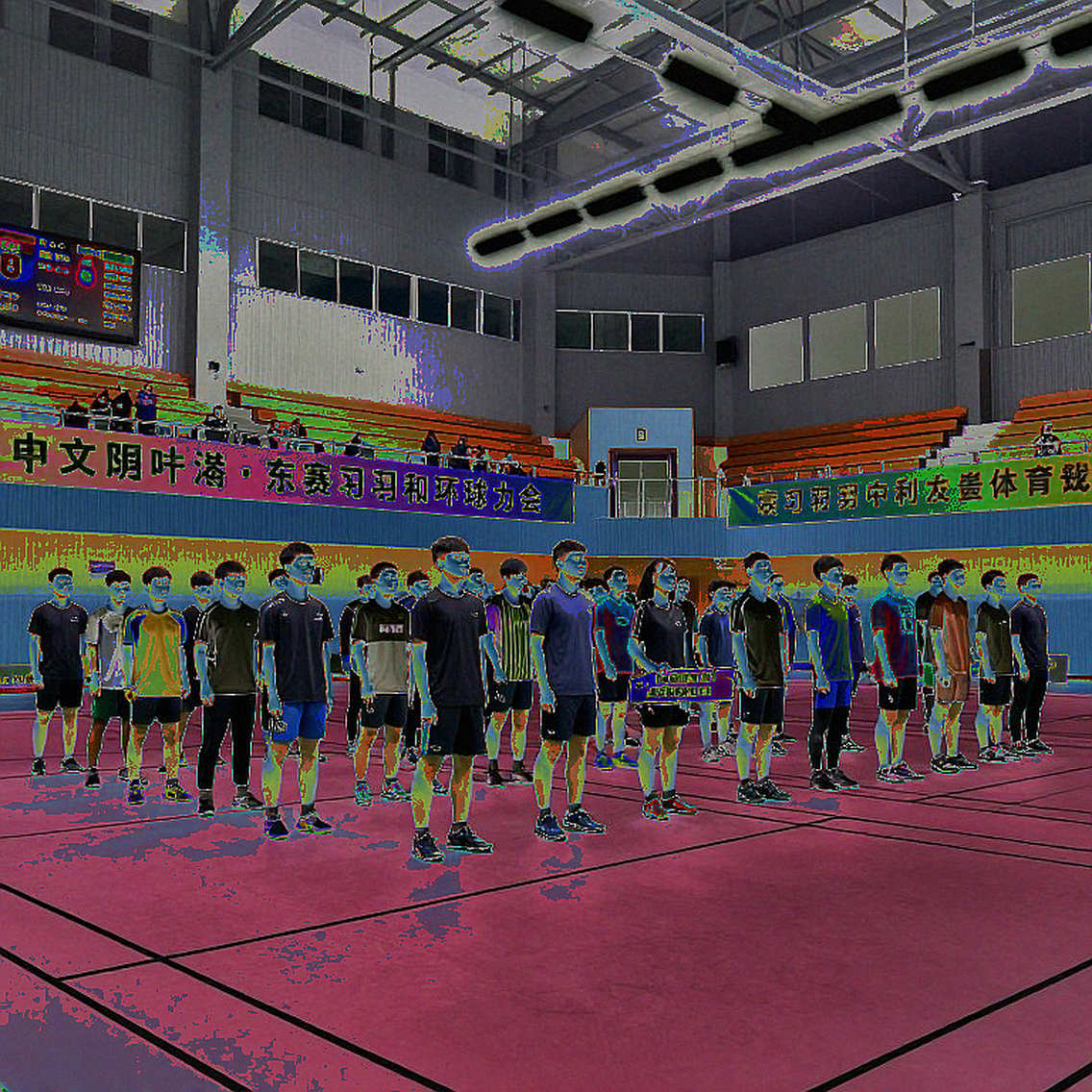
One brand, two products standing on opposite sides of a legal line: Mobile licensed, PC not. This is rare and it decides the whole story that follows.
The claim that PUBG PC operates unlicensed in Vietnam is being relayed through Korean media, specifically Invenglobal and Hansbiz. One outlet addresses the missing release license; the other addresses the carrier-level blocking. Vietnamese law requires online games to be licensed and content-approved, and cross-border distribution does not exempt a product from that obligation. The issue had simply never been placed on the scales until the 2026 season.
In parallel, on a separate track, two Vietnamese players, Himass and TanVuu, received permanent competition bans at PUBG Asia Stars 2026. This is the highest tier of esports disciplinary sanction short of legal referral, and the source places it directly beside the licensing story in narrative sequence.
The first thing worth noting sits at a layer few people look at: PUBG's problem in Vietnam is not on the game-balance layer, it is on the distribution layer. In every patch analysis I do, I ask first: how does this change affect the competitive meta? But in this case there is no patch to analyze. No weapon update, no map rotation, no pick-rate data. The only thing on the scales is the route that delivers the game to players.
And here is the crux: the PUBG PC competitive system runs on the PC client, not on PUBG Mobile. A block at the PC layer does not merely close one product — it severs Vietnam's entire route into international competition, regardless of how healthy the game balance may be.
Look at PVS. PUBG Vietnam Series is the regional feed, carrying Vietnamese teams into the global PUBG Esports circuit. Its structure, per PUBG PC convention, is points accumulation across many matches, not single-elimination brackets. That means when PVS is pulled from the schedule, what is lost is not a single event but a stable qualification pathway sustained across a full season. This is not the kind of disruption that a wildcard slot can compensate for, because points accumulation produces a continuous chain of opportunity that no single qualifier replaces.
The wording of the announcement also needs scrutiny. PVS was not cancelled. It was postponed indefinitely. Legally and in PR terms, this is a far softer posture than cancellation, and it preserves the right to resume if the licensing situation is resolved. PVS was pulled at the schedule layer while KRAFTON has issued no service-termination statement — this limbo state leaves teams unable to plan and players unable to be released cleanly. In league governance, removal from the schedule is normally the operational step that precedes a formal withdrawal, not a calendar coincidence.
Then there is the production structure. PVS has been produced for years by a third party, 500Bros. Dependence on a single production partner is a structural weakness: when the tournament stops, that partner's production revenue line stops with it, with no diversified buffer to absorb the shock.
But one point matters even more than PVS: the roster-retention mechanism. A recurring circuit exists not only to crown a champion but to give teams a reason to keep rosters together between seasons. With no season to play, Vietnamese PC teams have no domestic reason left to hold their lineups intact. This is a silent form of loss — it does not show up in a standings table, it shows up as players switching titles one by one, and as the reserve talent layer losing its entry point.
Add one variable at the entry level: if carrier-level blocking widens to the point where players cannot download the client, Vietnam's pool of new PC talent shrinks at the very starting point. This is a double loss: no retention mechanism at the top, no entry route at the bottom.
And here is where the source chain matters. The article I am analyzing is a second-order aggregation: it forwards claims from Invenglobal and Hansbiz without direct citation to KRAFTON or Vietnamese regulators. The chain is: Vietnamese community observation, Korean media interpretation, then this aggregated article. Each hop adds distortion risk. The pivotal claim — unlicensed PC operation — rests on a single source. The carrier-blocking claim rests on a single source as well.
I write this not to dismiss the information but to give it its proper weight. The current evidence is enough to assert serious disruption. It is not enough to assert a comprehensive block. Even the original article says a full block is entirely possible, a conditional conclusion, while its headline says comprehensive. The gap between headline and body is the clearest overhyping signal in the whole source.
One ambiguity remains unresolved, and it is the largest: the removal of media channels could be voluntary de-risking by KRAFTON, or it could be compelled enforcement. The source does not distinguish the two, and the distinction changes the entire reading. Forty-seven pages of notebooks taught me one thing: stay silent until the evidence is there. I leave that state undetermined rather than fill the blank myself.

The counter-intuitive point here is not that PUBG is about to be banned. It is this: the line was always there, it was simply invisible until placed on the scales. PUBG PC has lacked a license in Vietnam for years. What is different about the 2026 season is not that a new law appeared, but that an old law began to be enforced. This is the kind of reversal I often encounter: not that something changed, but that something already there started being seen.
The second counter-intuitive point: the community is merging two stories into one. The bans on Himass and TanVuu and the licensing matter are separate tracks. The source places them side by side narratively but establishes no causation. Emotion can lean, but footage cannot — and the footage here does not connect these two. A permanent ban is a grave sanction, but the offense type is not disclosed, and I will not extrapolate it into a larger charge.
The third counter-intuitive point: the clearest beneficiary is not KRAFTON but rival titles. When the PC product is removed from the Vietnamese market while the mobile market stays open, PC players and viewers have a channel to flow elsewhere. That shift does not erase the audience, it merely reallocates it.
What is worth waiting for is not a termination statement but a recognition statement. If KRAFTON finds a domestic publishing partner, the whole story can flip quickly, and today's analysis becomes the record of a market normalization rather than a withdrawal. Until then, everyone should ask themselves: am I watching a block, or a normalization that has not yet finished?